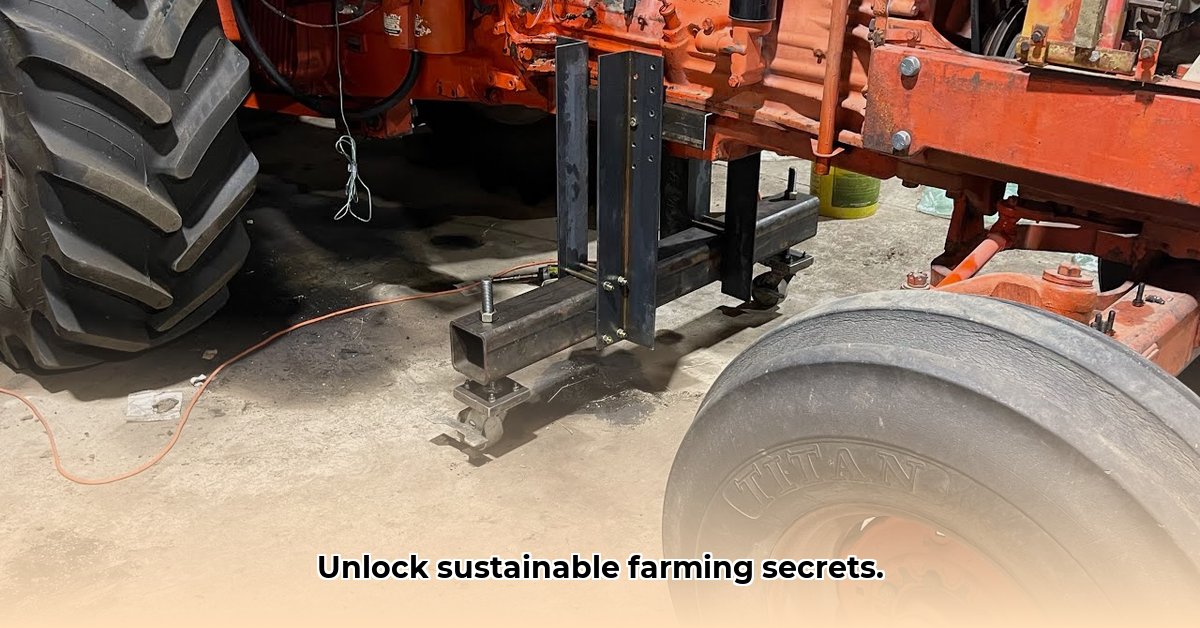
Understanding Tractor Splitting: A Critical Review
The practice of tractor splitting—modifying a larger tractor into two smaller units—is gaining traction among farmers seeking improved maneuverability, particularly in confined spaces like orchards or vineyards. However, this seemingly simple solution presents a complex array of challenges that demand careful consideration before implementation. This review examines the purported benefits and significant drawbacks of tractor splitting, offering a balanced perspective to help farmers make informed decisions. For more on agricultural equipment modifications, see this helpful resource.
Weighing the Potential Benefits and Drawbacks
While the improved maneuverability of split tractors in tight spaces is a clear advantage, several crucial drawbacks need careful evaluation. These include substantially higher initial modification costs compared to purchasing smaller, purpose-built tractors. Furthermore, the lack of standardized safety guidelines poses a significant risk, potentially leading to accidents and injuries. The long-term reliability and durability of split tractors remain largely unproven, raising concerns about their cost-effectiveness.
A further critical concern is the lack of comprehensive research into the environmental impact of tractor splitting. The effect on fuel efficiency and emissions remains unstudied, requiring further investigation before its sustainability can be confidently assessed. Simply put, the economic and environmental benefits are currently hypothetical.
Improved Maneuverability: A Key Advantage
The primary benefit of tractor splitting is enhanced maneuverability, especially beneficial in narrow pathways or uneven terrain commonly found in specialized agricultural settings like vineyards or dense orchards. This improved access can lead to reductions in crop damage and increased operational efficiency. However, this benefit must be weighed against the substantial potential drawbacks.
Higher Initial Costs and Repair Expenses: Significant Challenges
While initial modification costs may appear lower than acquiring two smaller tractors, the overall cost becomes significantly higher when considering maintenance and repair. Finding specialized parts and skilled technicians for split tractors is likely more difficult and expensive, potentially leading to costly downtime.
Safety Concerns: A Critical Issue
Perhaps the most significant concern is the potential safety risks associated with tractor splitting. The structural integrity of a modified tractor is uncertain. The lack of established safety guidelines and regulations represents a major hazard. Farmers should prioritize comprehensive risk assessment and safety protocols before even considering this undertaking.
Essential Considerations Before Tractor Splitting
Before embarking on tractor splitting, a thorough assessment is crucial. This includes carefully evaluating the feasibility of modifying the specific tractor model and conducting a detailed cost-benefit analysis considering all associated costs over the tractor's lifespan. Establishing a robust safety plan, encompassing both the modification process and ongoing operation, is non-negotiable. Finally, confirming compliance with all applicable local and national regulations is paramount.
1. Feasibility Assessment: Is Your Tractor Suitable?
Not all tractors are suitable for splitting. Consult with experienced mechanics and, if possible, the manufacturer to determine the feasibility of the modification for your specific tractor model. Online tutorials are inadequate; expert advice is essential.
2. Cost Analysis: A Comprehensive Approach
Conduct a comprehensive cost-benefit analysis, factoring in initial modification costs, ongoing maintenance and repair expenses, potential reductions in fuel consumption, and projected increases (or decreases) in yield due to improved maneuverability. Compare the total cost to purchasing smaller, more maneuverable tractors outright. Engage an agricultural economist or accountant for detailed cost projections.
3. Safety First: Developing a Robust Plan
Develop a comprehensive safety plan addressing all aspects of the modification process and ongoing operation. Consider appropriate safety gear, training, and emergency procedures. Verify that your current insurance adequately covers modified machinery; you might need additional coverage.
4. Legal Compliance: Ensuring You're Operating Legally
Ensure your modifications comply with all applicable local, regional, and national regulations. The absence of specific regulations for split tractors highlights the inherent risks involved.
The Future of Tractor Splitting: Research and Development
Further research is urgently needed to address the knowledge gaps surrounding tractor splitting. This includes comprehensive studies on long-term economic viability, environmental impact, and the development of standardized safety guidelines. Collaboration between agricultural researchers, equipment manufacturers, and regulatory bodies is crucial to ensure the safe and sustainable implementation of this practice, if it proves beneficial.
Key Takeaways: Making Informed Decisions
- Tractor splitting offers potential benefits in terms of maneuverability, but substantial risks and uncertainties exist.
- The economic viability is highly context-dependent, requiring detailed cost analysis and a long-term perspective.
- Safety is paramount; a comprehensive safety plan and compliance with regulations are essential.
- Further research is crucial to address knowledge gaps regarding long-term durability, environmental impact, and cost-effectiveness. This informed decision-making is key to determine if tractor splitting is suitable for your specific needs.